Breathe better.
Perform more.
Discover in one compact workshop day how breathing affects athletic performance, focus and recovery — explained clearly and made tangible through practical exercises.
Programme
A compact introduction to Air Flow Performance: you'll get to know the key fundamentals of breathing in sport and put selected methods directly into practice.
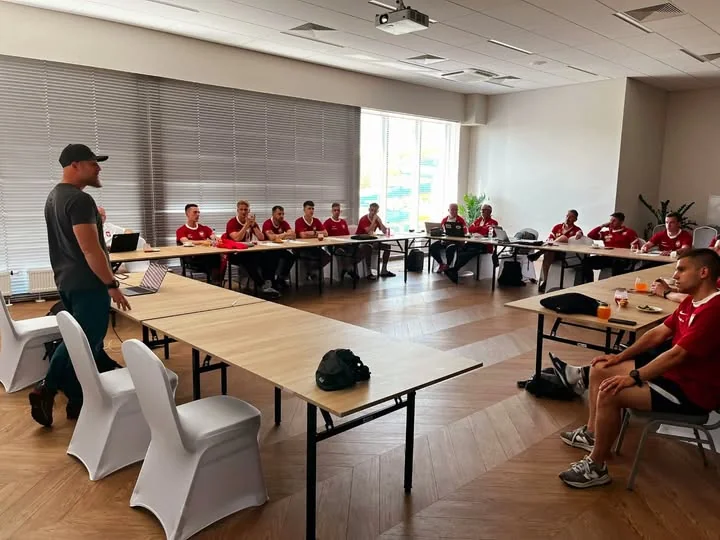
Theory Session
- Introduction to the Air Flow Performance model
- Fundamentals of breathing pattern, diaphragm and 360° breathing
- Why CO₂ tolerance and breath control under load matter
- How biomechanics, biochemistry and the nervous system interact
- Basic principles of hypoxia, hypercapnia and breath-resistance training
- How to meaningfully integrate breathing exercises into your own sport
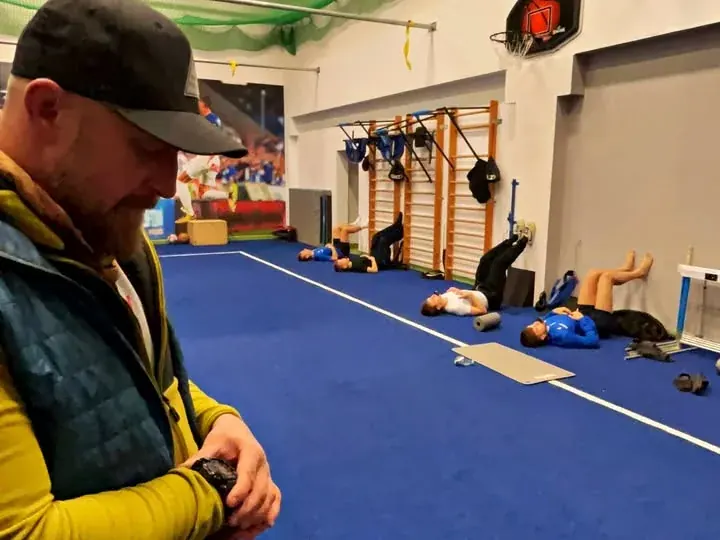
Practical Session
- Simple assessment of your own breathing pattern
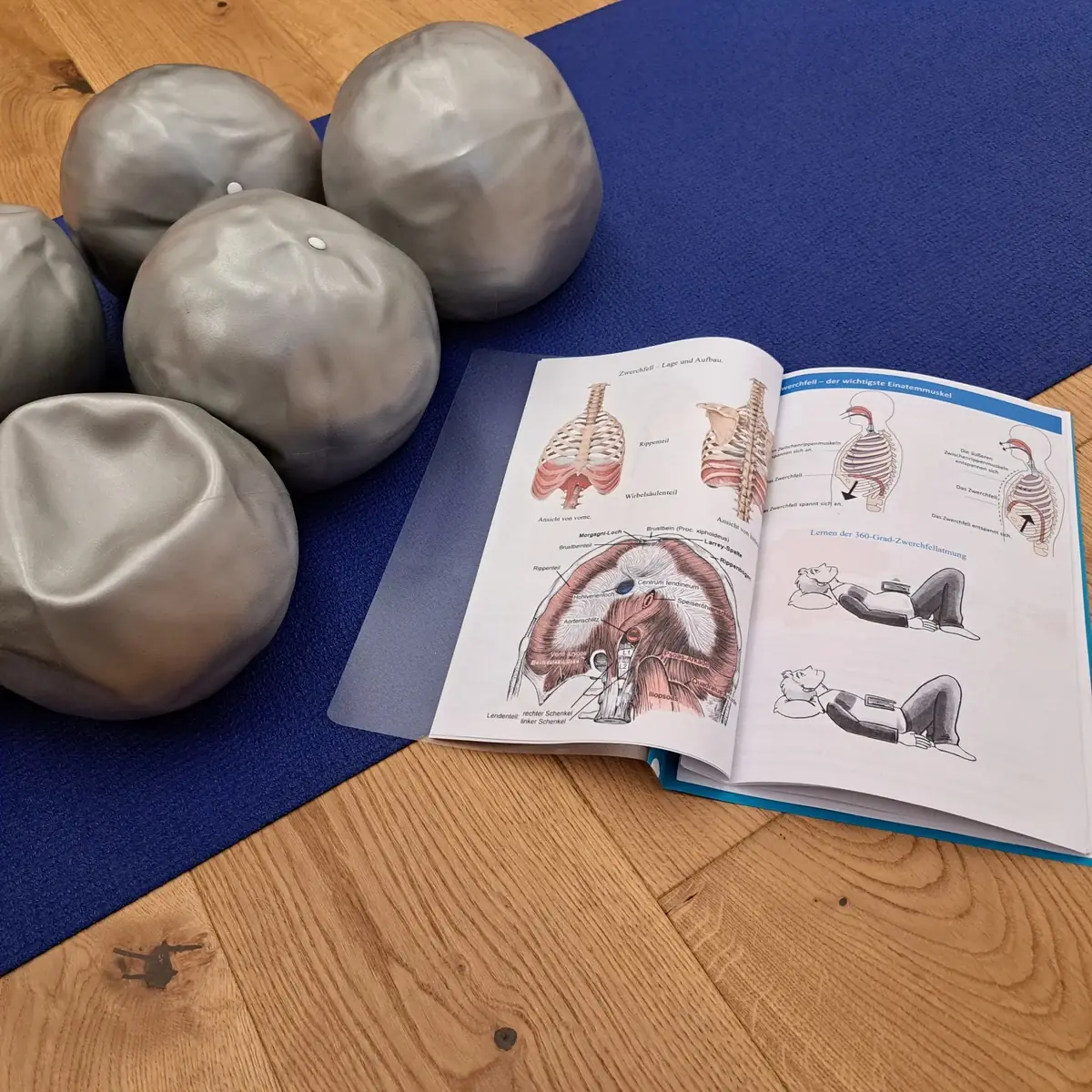
- Exercises for rib cage, diaphragm and breath awareness
- Selected exercises for respiratory muscles and CO₂ tolerance
- Connecting breathing with movement and physical load
- Getting to know breathing strategies for focus and recovery
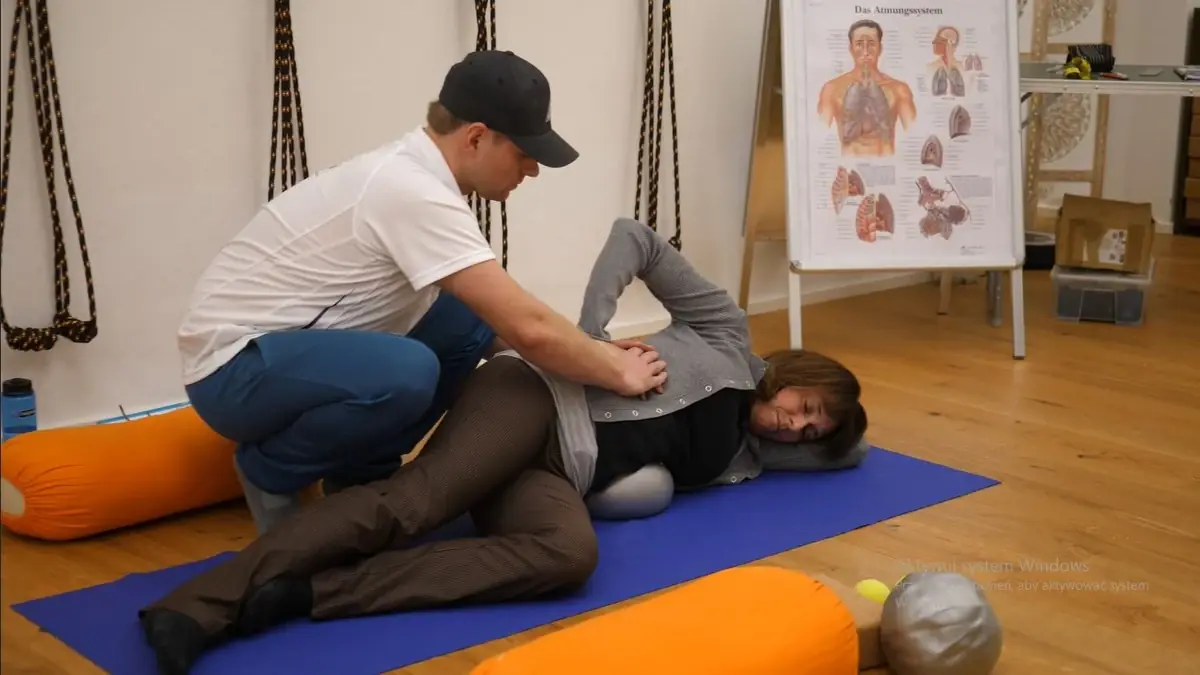
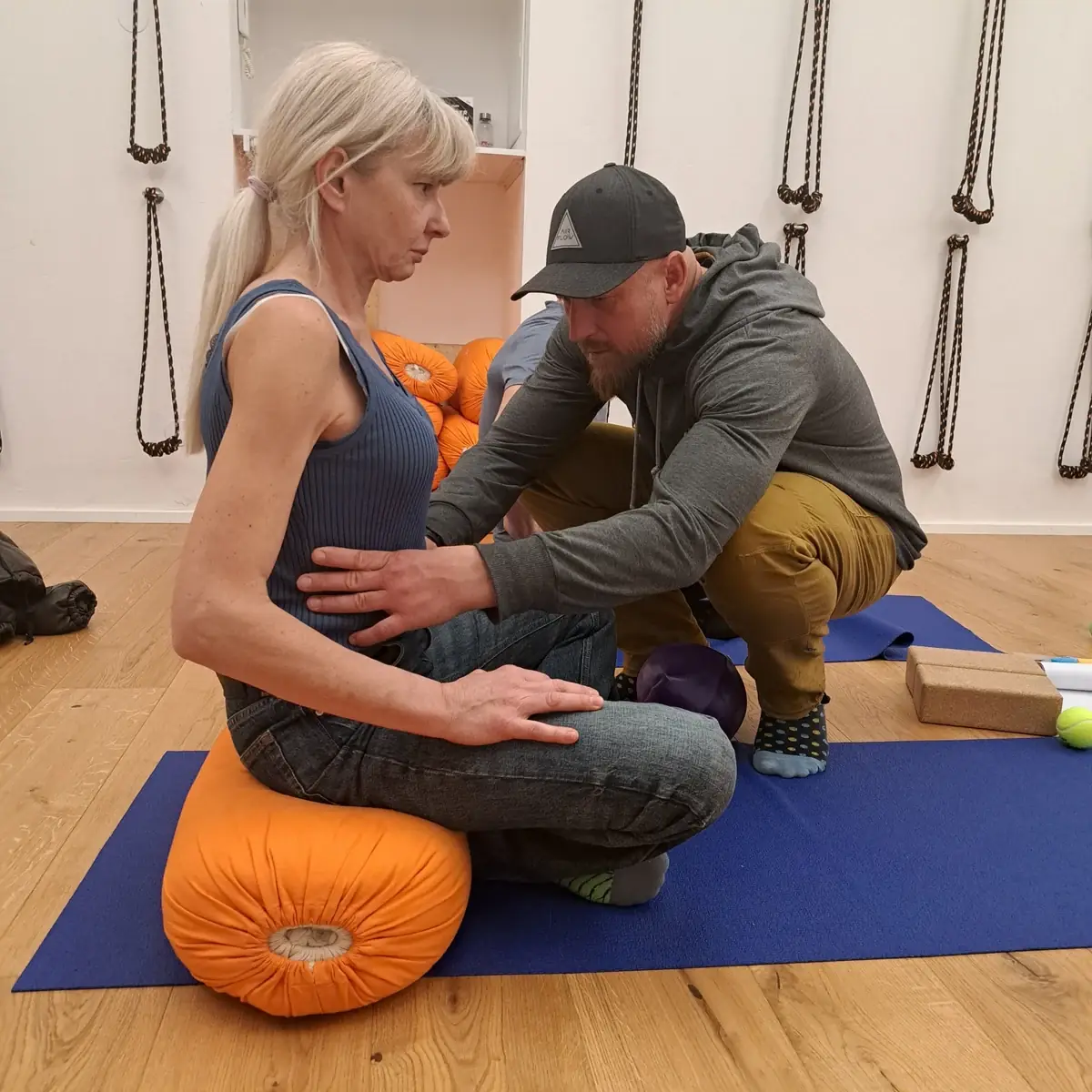
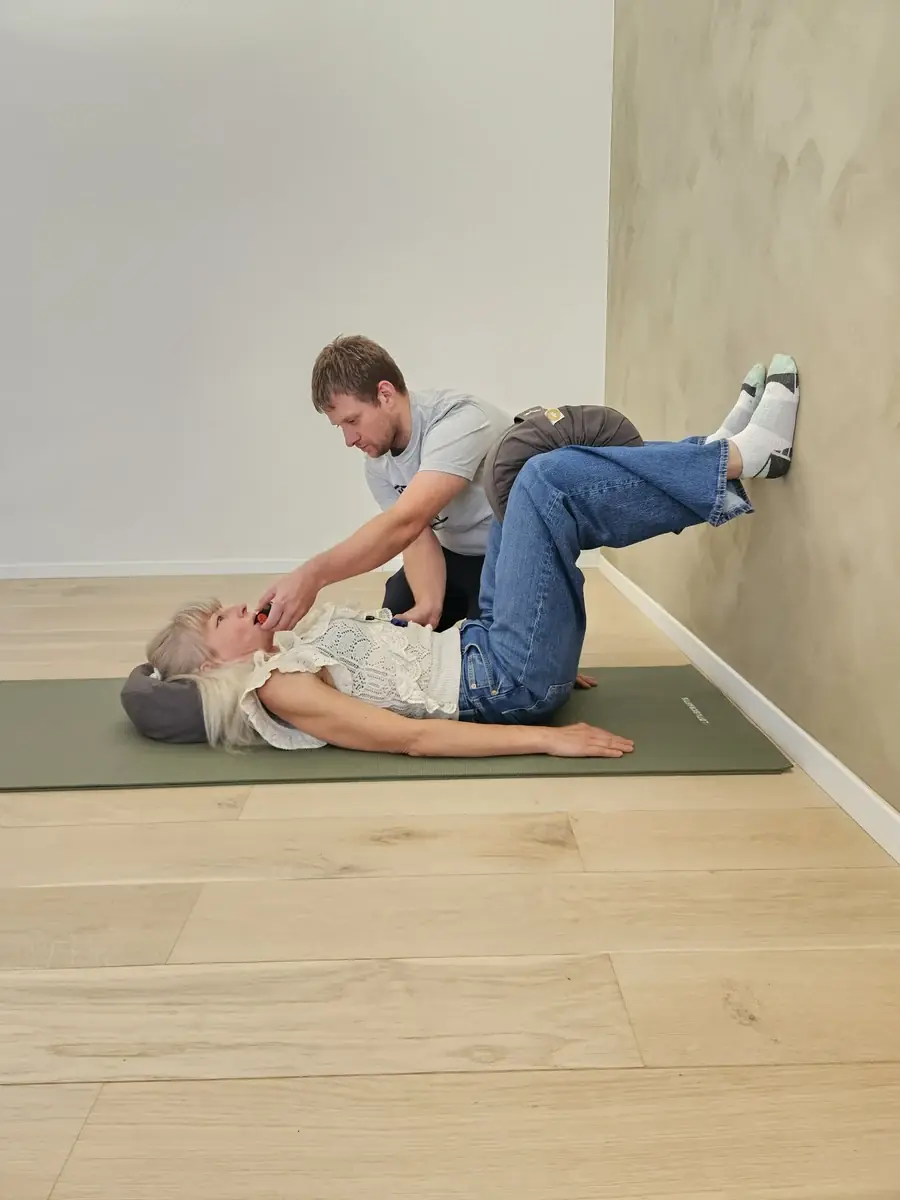
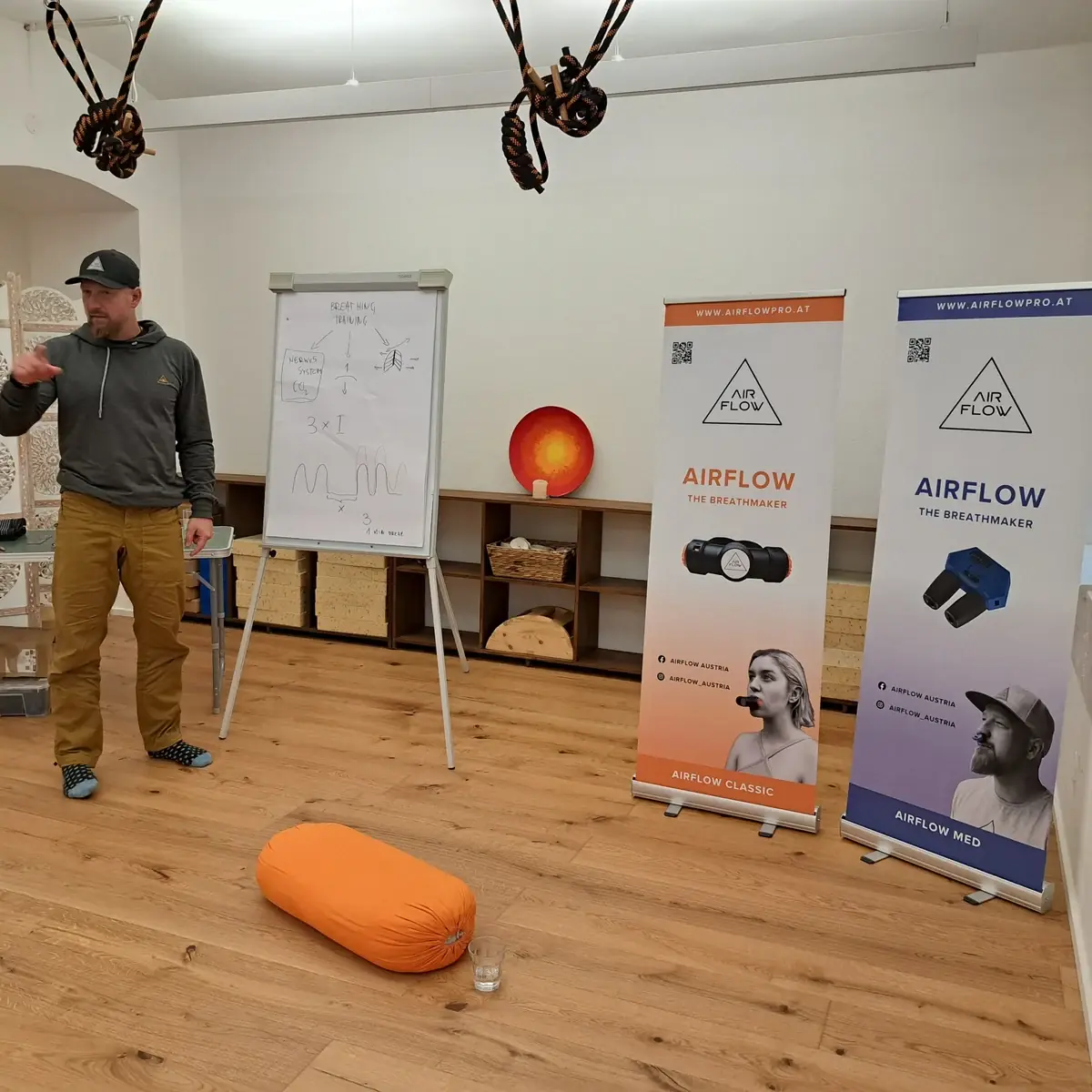
- Practical application with individual work, partner feedback and corrections
Your entry point into breathing training in sport
The day gives you a clear overview of the Air Flow Performance model and initial practical tools for your own training. You'll learn what to pay attention to in your breathing, how selected exercises are structured, and what next steps make sense for long-term development. The workshop doesn't replace a full multi-day training programme — but it makes the method concrete, tangible and directly applicable.
One Saturday. Theory and practice.
The new compact workshop makes Air Flow Performance accessible at a low price: €75 per person for the entire workshop day.
- Saturday, 10 October 2026 · 10:00–17:00
- Compact introduction to theory and practice
- Water, coffee and snacks
- German-speaking explanations and personal support on site
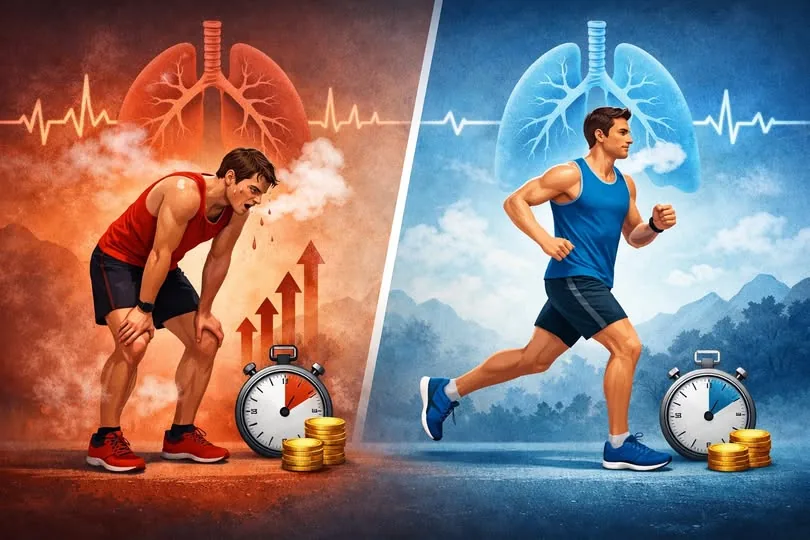
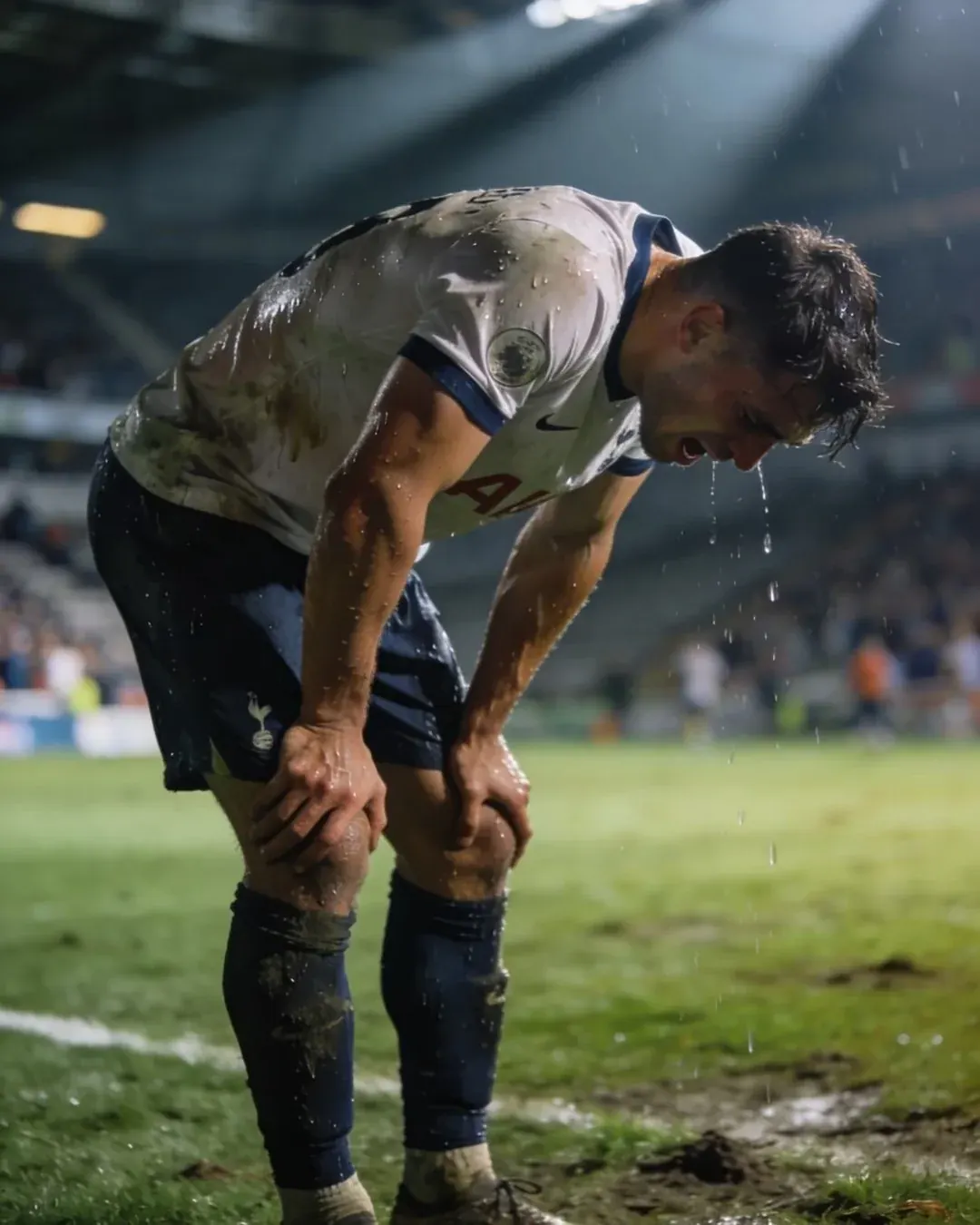
Breathing is the next frontier of athletic performance.
Modern sport optimises GPS load, nutrition, strength, recovery and tactics. Yet the system involved in every sprint, every decision and every recovery phase is still rarely assessed on purpose: breathing.
of the competitive athletes examined showed biomechanical signs of a dysfunctional breathing pattern.
The cross-sectional study examined 1,933 competitive athletes using the standing Hi-Lo test. The finding refers specifically to the biomechanical dimension of the breathing pattern – not to a respiratory disease.
Maximise your athletic parameters and adapt your breathing to physical load.
The goal of the workshop is to maximise your athletic performance parameters, optimise your breathing and adapt it to physical load.
The workshop is aimed at both amateurs and professionals. You'll learn, in a simple and accessible way, how to perform breathing exercises and build them into your training.
You'll get to know practical tools that can improve your breathing patterns to enhance the body's oxygen delivery and utilisation – because this is exactly the most common reason your progress stalls!
Benefits of applying breathing training
Better oxygen transport
Improved delivery of oxygen to the organs and to working muscles.
Aerobic and anaerobic capacity
Improvement of aerobic and anaerobic performance capacity.
VO₂max
Improvement of maximal oxygen uptake, VO₂max.
Respiratory muscles
Strengthening of the respiratory muscles.
Focus and fatigue
Improved focus, and reduced and delayed onset of fatigue.
Higher lactate threshold
Raising of the lactate threshold.
Maintaining form despite injury
The ability for injured athletes to maintain their form.
Better breath control
Better control of breathing during physical exertion as well as in everyday life.
7-week pilot project in professional football
Short daily breathing sessions were built into existing warm-ups and cool-downs without increasing training volume. The official Air Flow Performance results page documents changes in wearable, GPS and physiological data.
Time in the highest heart-rate zone
Documented reduction in time spent in the highest heart-rate zone under comparable training loads.
Recovery after sprint efforts
Documented improvement in the time to renewed readiness for exertion after high-speed runs.
Resting breathing rate
Documented reduction in resting breathing rate by the end of the seven-week protocol.
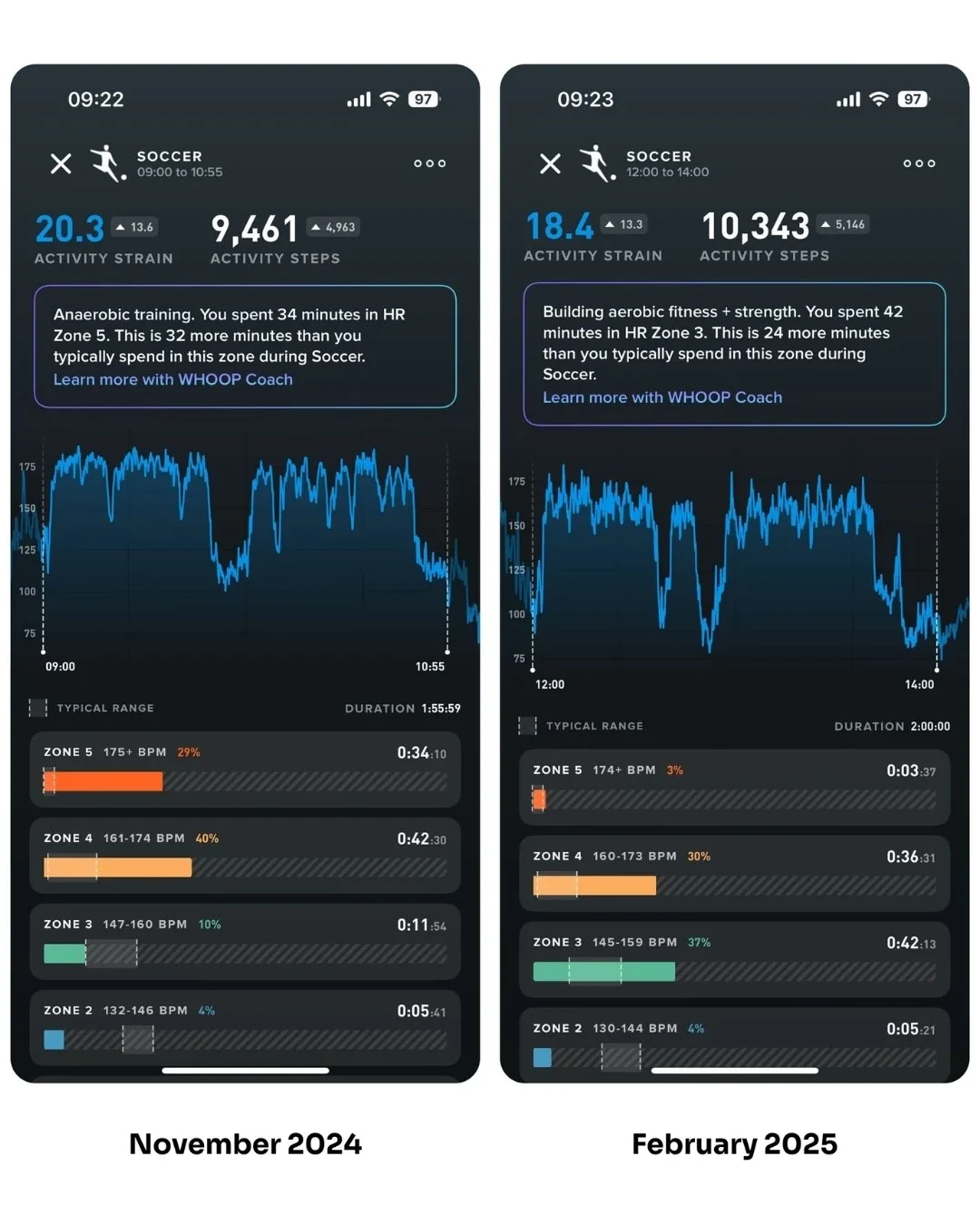
Seven weeks of measurable change
These figures describe an internal case study with a small pilot group and no control group. They are not guaranteed results for every participant.
Experiences from professional sport
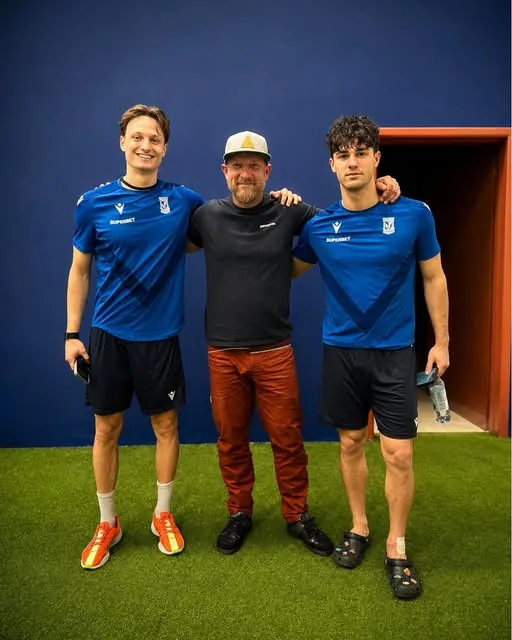
Feedback published by Air Flow Performance from the work with players of Lech Poznań.
"Now I can hold my breath longer, control breathlessness more easily — especially during interval training — and calm my breathing again much faster."Daniel H. Lech Poznań
"When I'm exhausted, I no longer brace myself with my hands on my knees. I calm my breathing by breathing through my nose for as long as possible."Antoni K. Lech Poznań
"The sessions have noticeably improved my sleep quality. When I use the techniques before going to bed, my sleep is far more restorative."Kornel L. Lech Poznań
Published participant testimonials; individual experiences are not guaranteed results.
Three systems. One performance.
Three interconnected systems determine how efficiently an athlete breathes under load, controls performance and then recovers. Air Flow Performance ties these areas together into a clear, practically trainable performance model.
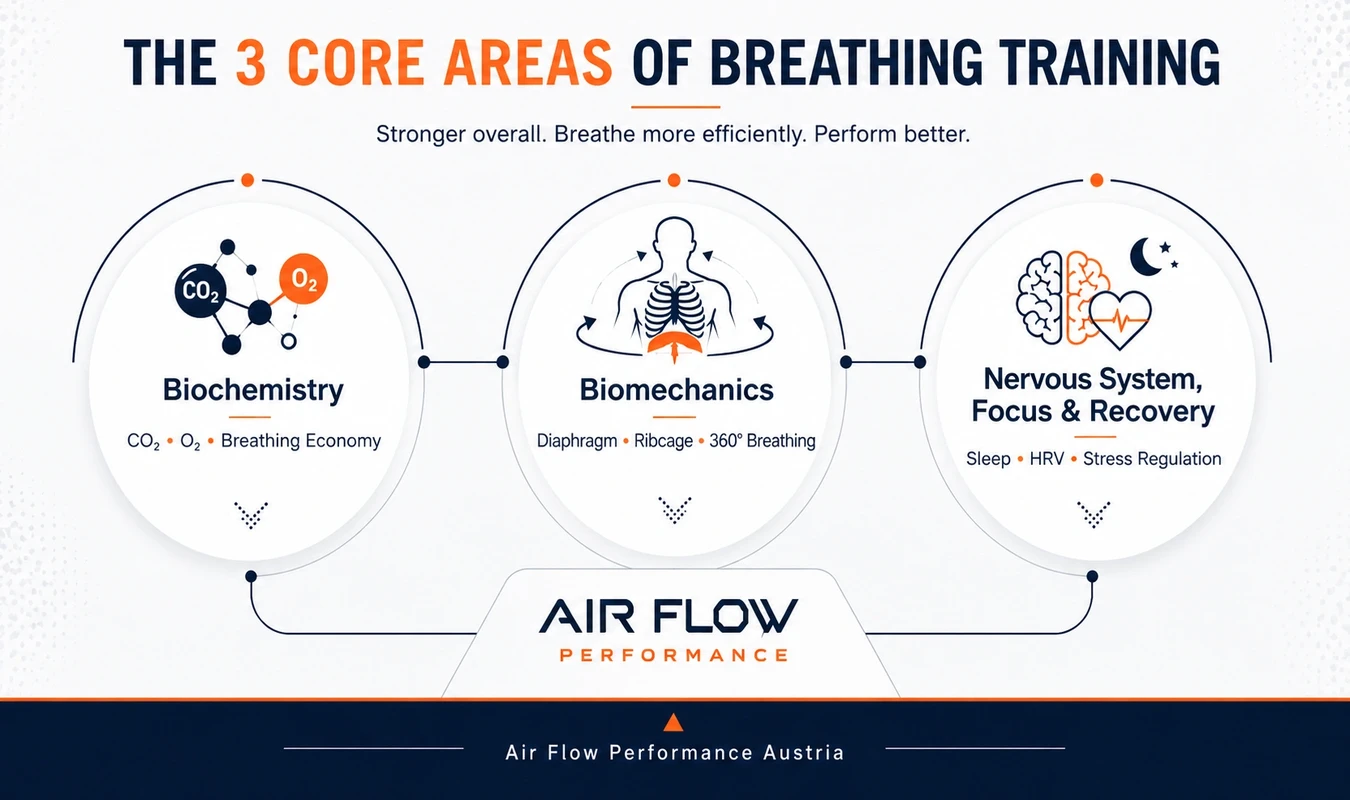
Biochemistry, biomechanics and the nervous system are not viewed in isolation. In the workshop you'll learn to recognise how they interact and translate that into sport-specific demands.
The complete Air Flow Performance method: The workshop shows you the practical application. You'll find the complete method, expert articles and the full Air Flow Performance project on the original project site.
View the full Air Flow Performance project →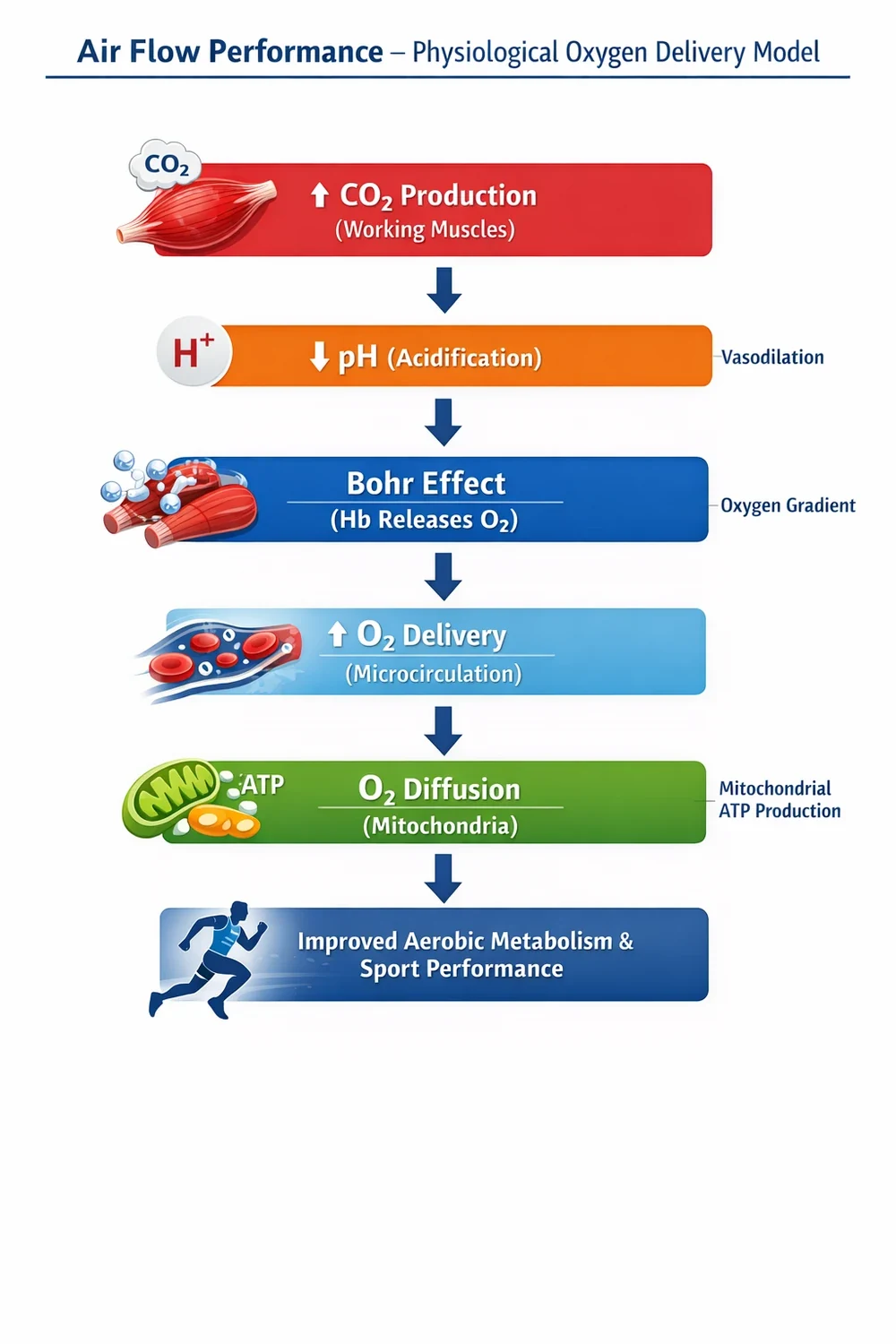
Oxygen delivery isn't simply about breathing more.
Under load, CO₂ production, pH shifts, blood flow and haemoglobin's oxygen release all interact. The workshop explains these mechanisms clearly and connects them to breathing behaviour under load.
Recognise unnecessary overbreathing
Recognise how ventilation can rise faster than the actual demands of the load.
Understand the Bohr effect
Understand why CO₂ is one of the physiological conditions that supports oxygen release to working tissue.
Train control – not panic
Train progressive strategies to respond more calmly to air hunger and rising intensity.
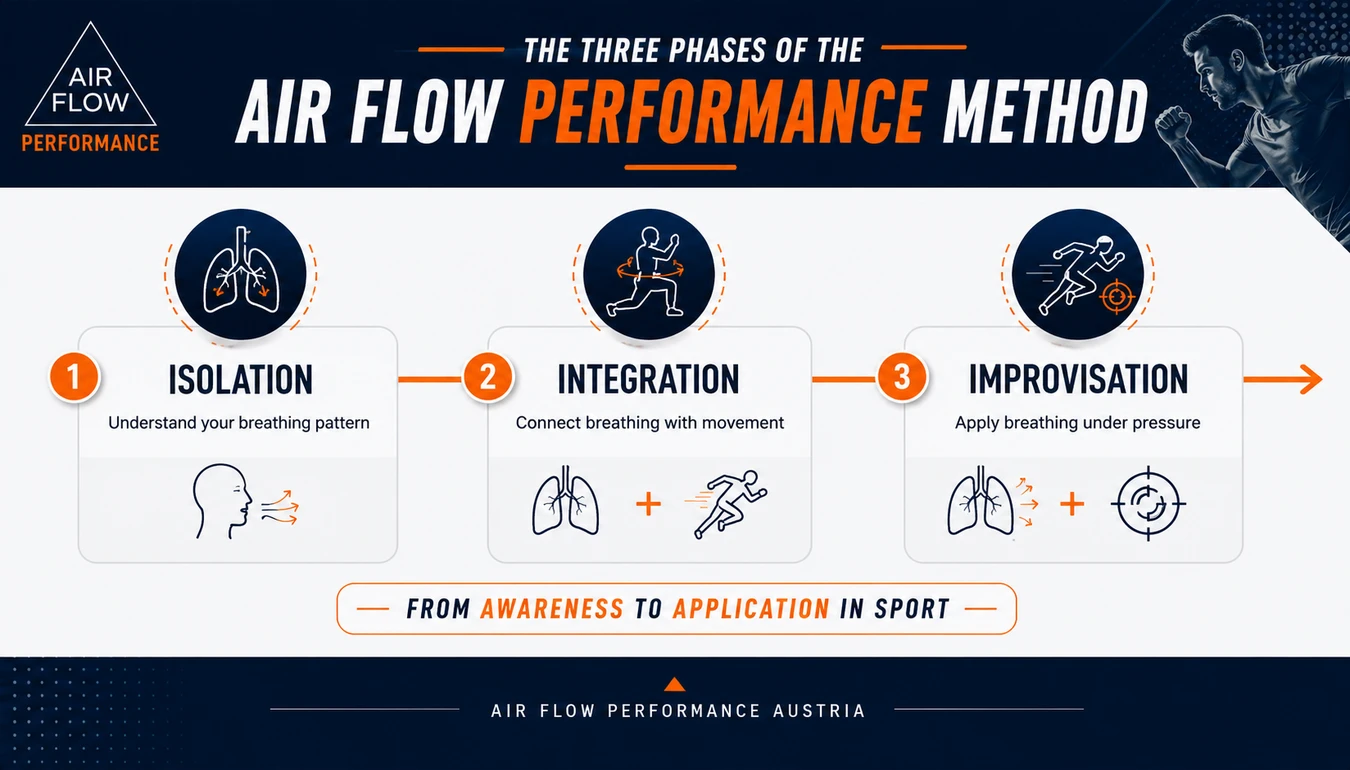
Isolation
Build the fundamentals of breathing in a controlled environment, before speed, load or competitive pressure are added.
- Assess your current breathing pattern
- Develop diaphragm and 360° rib-cage mechanics
- Train calm nasal breathing and ventilation control
- Introduce CO₂ awareness and calm recovery breathing
Integration
Connect breathing with mobility, strength, posture and movement so the new pattern stays available under physical load too.
- Synchronise breathing with dynamic movement
- Apply pressure and core control during exercises
- Apply nasal breathing at suitable intensities
- Understand progressive breath-resistance training
Improvisation
Apply breathing strategies exactly when fatigue, intensity, emotional pressure and the demand for fast recovery are at their highest.
- Control breathing during fatigue and air hunger
- Regulate focus and activation level before competition
- Recover more purposefully between intense efforts
- Adapt the tools to real sporting situations
Discover the science behind the method
Detailed German-language expert pages explain the mechanisms that are put into practice during the training.
Built for the moment when the pressure rises.
Air Flow Performance goes beyond isolated breathing exercises. The method is applied exactly where movement, fatigue, decisions and recovery actually count.
Identify the breathing strategy currently used at rest and under load.
Progressively build mechanics, breath control and recovery tools.
Transfer the tools to movement, fatigue and sport-specific demands.
Not just a lecture.
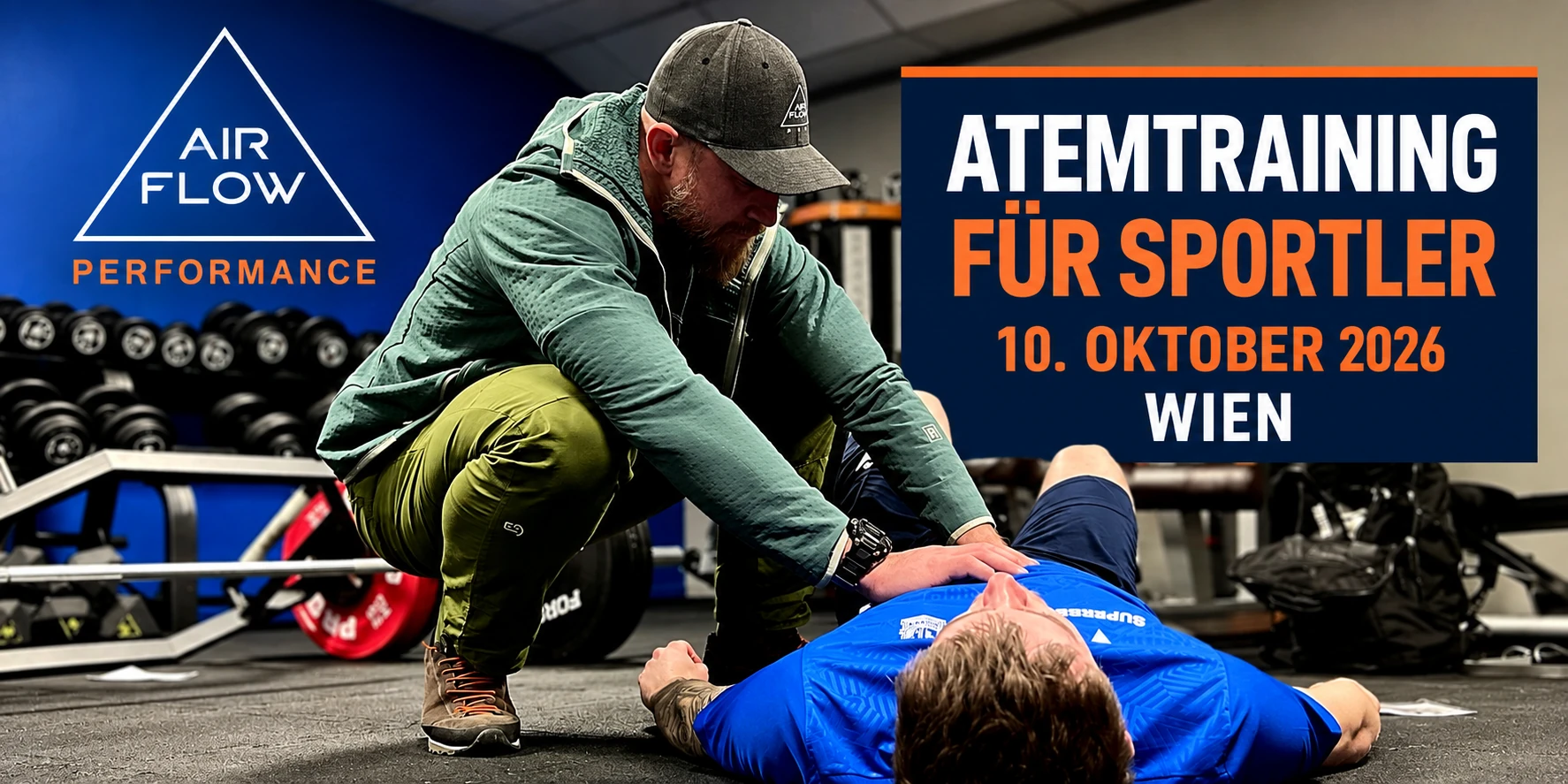
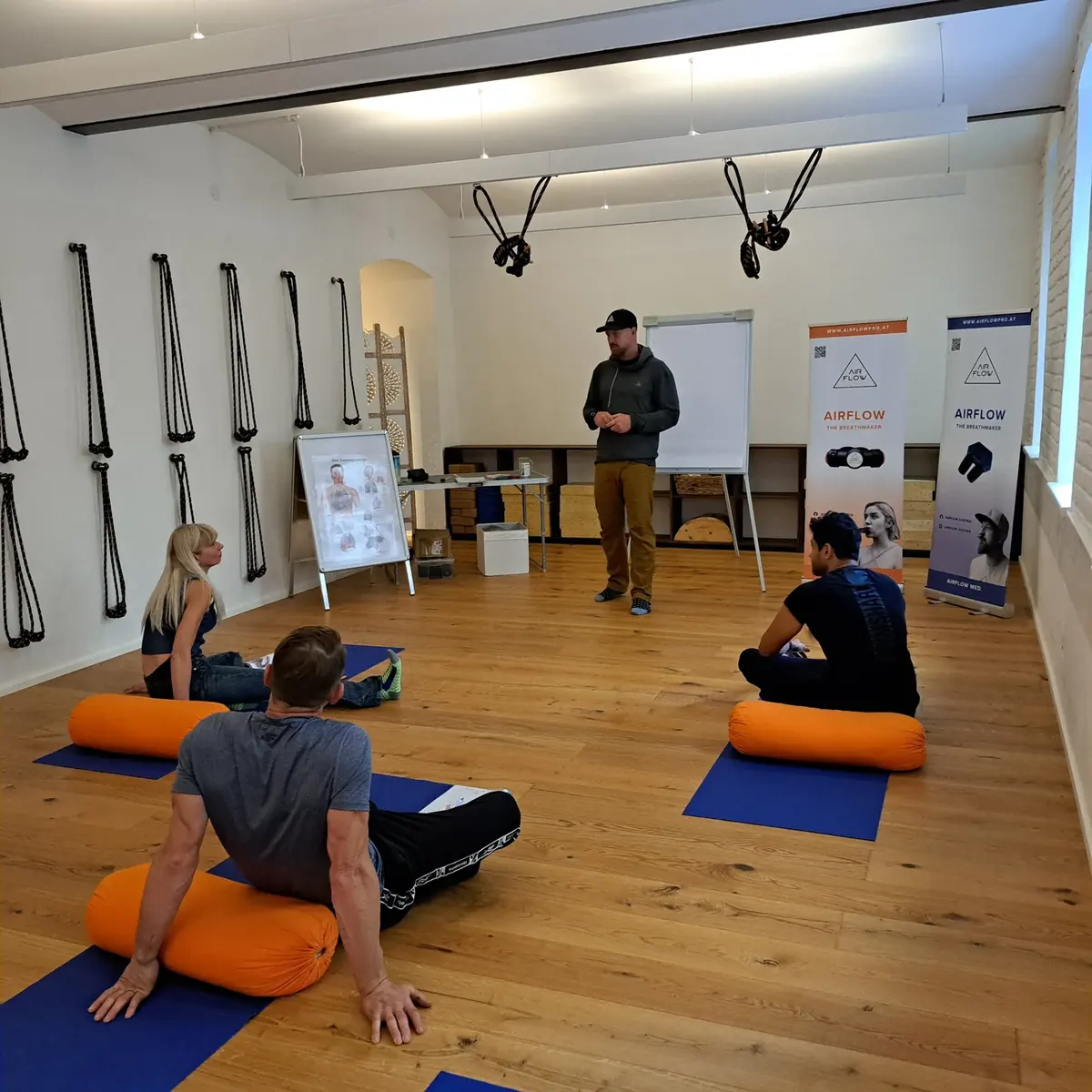
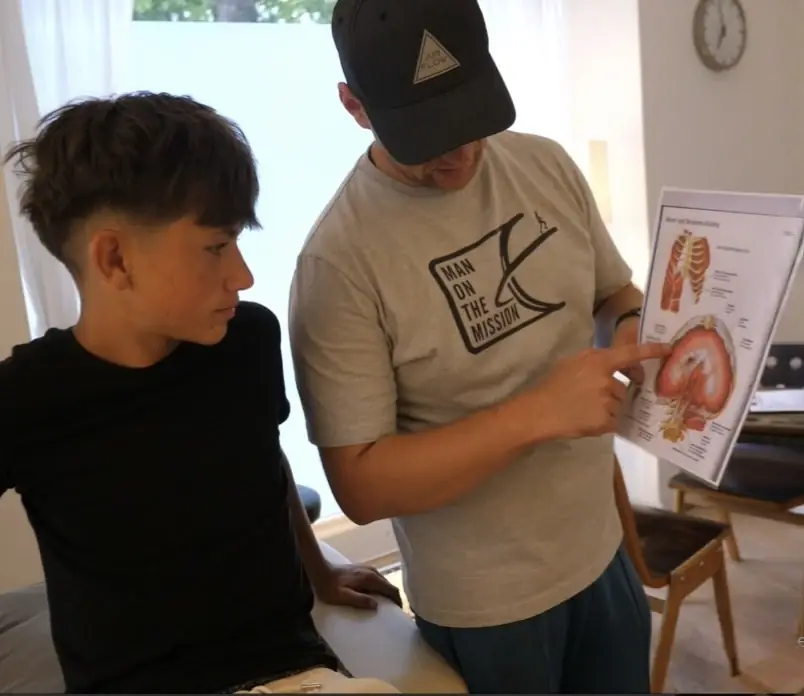
Participants test, practise and experience the exercises through individual work, partner feedback, movement integration and hands-on coaching.
What you take away from the workshop
A clear understanding of the system and practical tools you can keep working with after the workshop day.
A clearer assessment
Understand the key features of your current breathing pattern and identify where to start.
Better mechanics
Use practical tools for the diaphragm, lower ribs, rib-cage mobility and 360° pressure.
Control under load
Apply breathing strategies during movement, fatigue, intervals and deliberate return to rest.
A personalised follow-up plan
Build a personalised exercise structure for training, competition, sleep and recovery.
AirFlow Classic and AirFlow Med
The devices may be demonstrated or used for selected exercises to make resistance, airflow and breath control tangible.
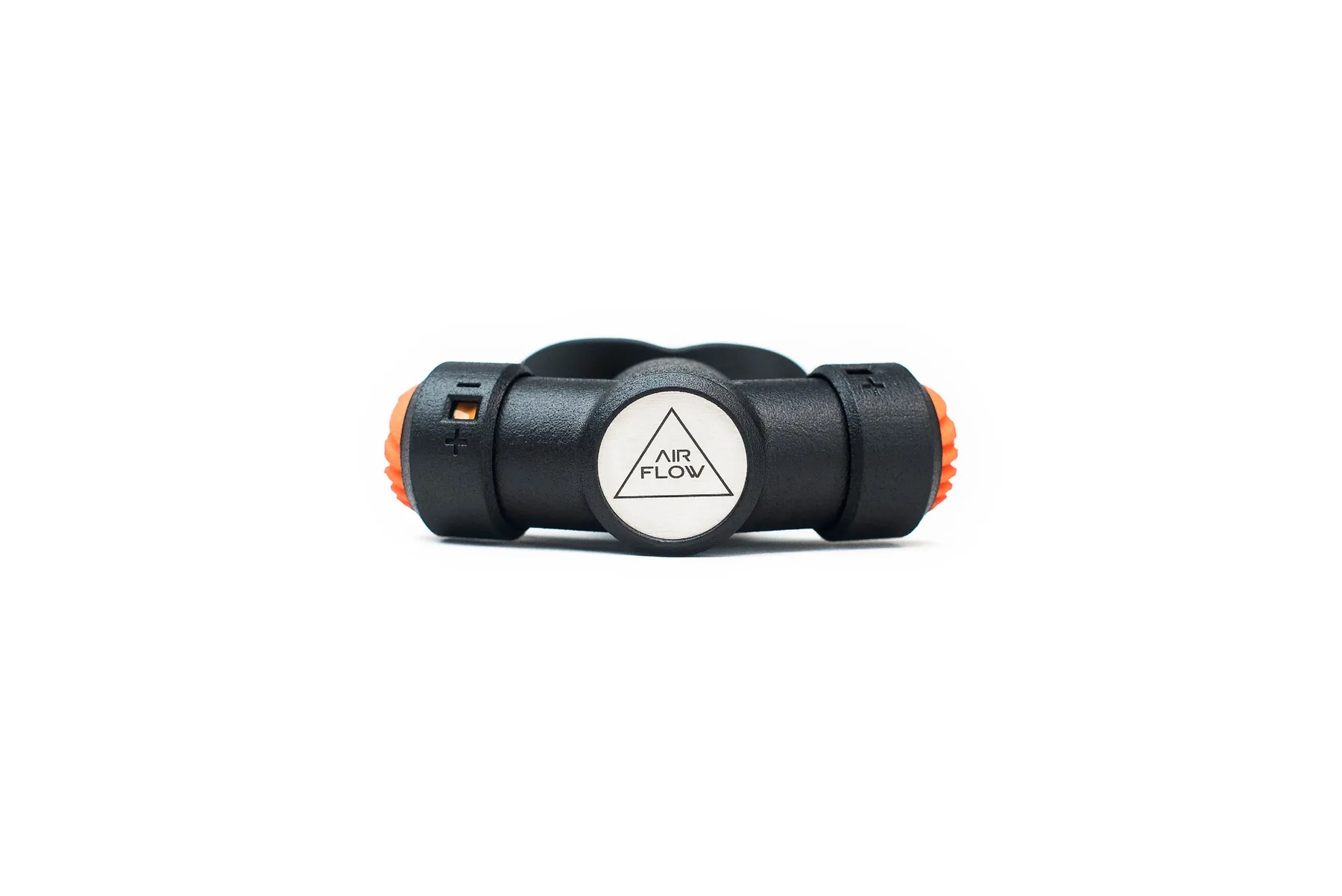
AirFlow Classic
A mouth-based breathing-resistance device with independently adjustable inhale and exhale resistance.
In the workshop, participants learn how the principles of breath-resistance training can be integrated into selected breathing and movement exercises.
View AirFlow Classic →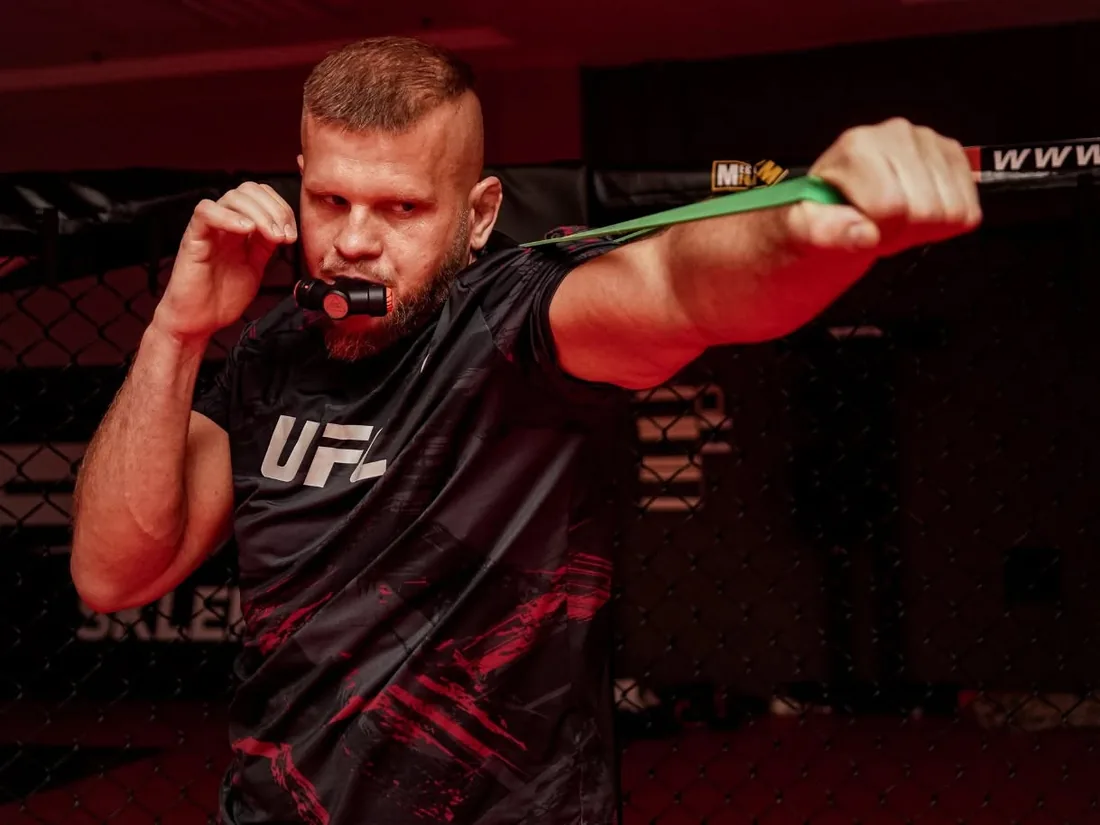
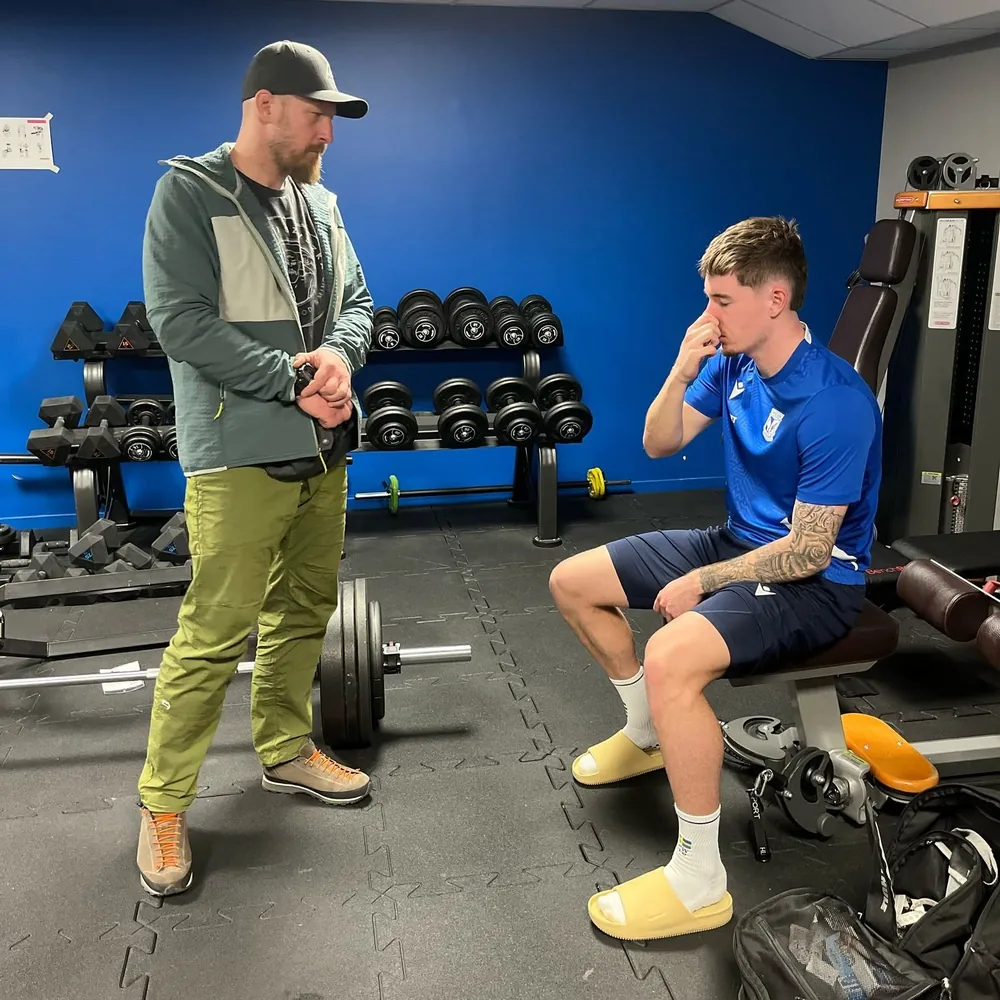
AirFlow Classic in competition prep: Marcin Tybura (UFC) using adjustable breath resistance.
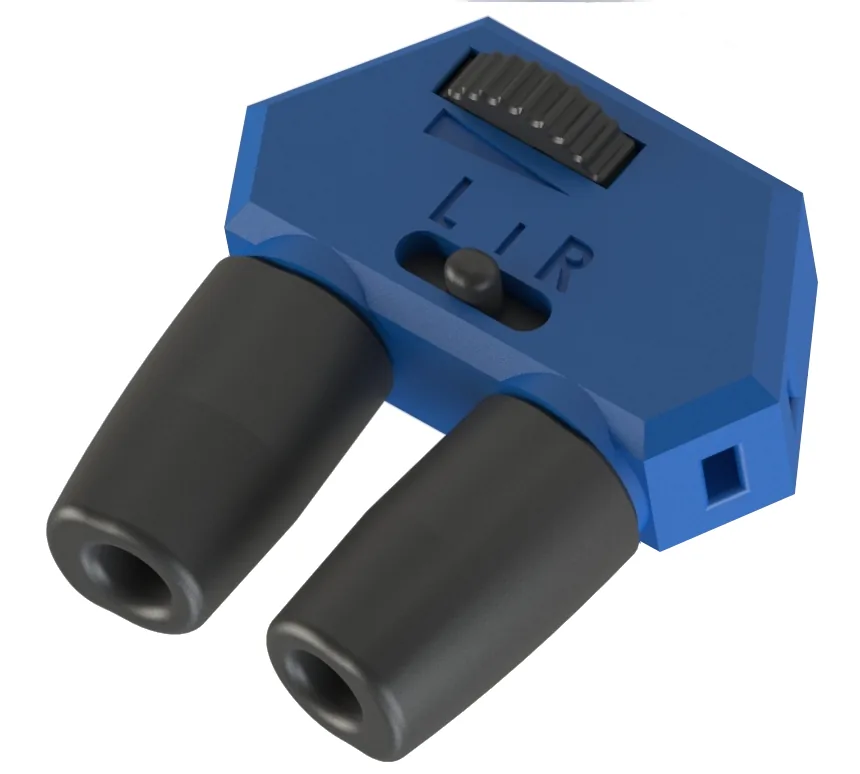
AirFlow Med
A compact nasal-breathing device for exercises focused on breath awareness, controlled airflow and recovery-oriented practice.
It shows how nasal resistance can be introduced progressively and adapted to the goal of each exercise.
View AirFlow Med →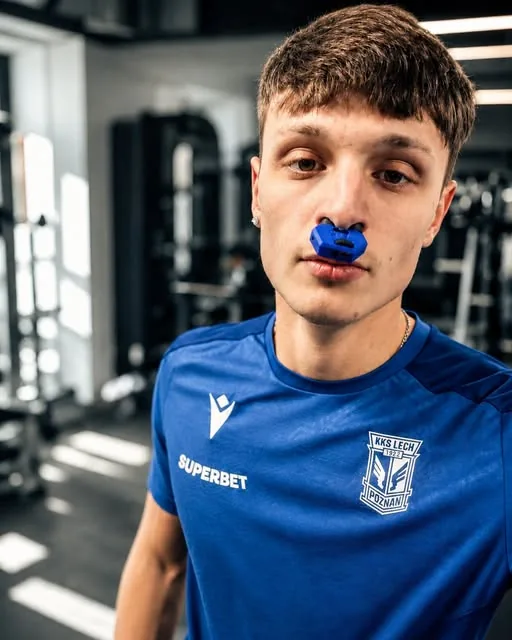
A Lech Poznań player using the AirFlow Med nasal trainer during a recovery session.
Every athlete breathes. Every sport places different demands.
Ambitious amateur and professional athletes from endurance, team, combat and strength sports.
Strength & conditioning coaches, personal trainers and specialist coaches who want to apply practical breathing tools.
Professionals in movement, recovery and sport who are looking for a structured system.
People who want to understand their breathing and integrate it more purposefully into their training.
Your Coaches in Vienna
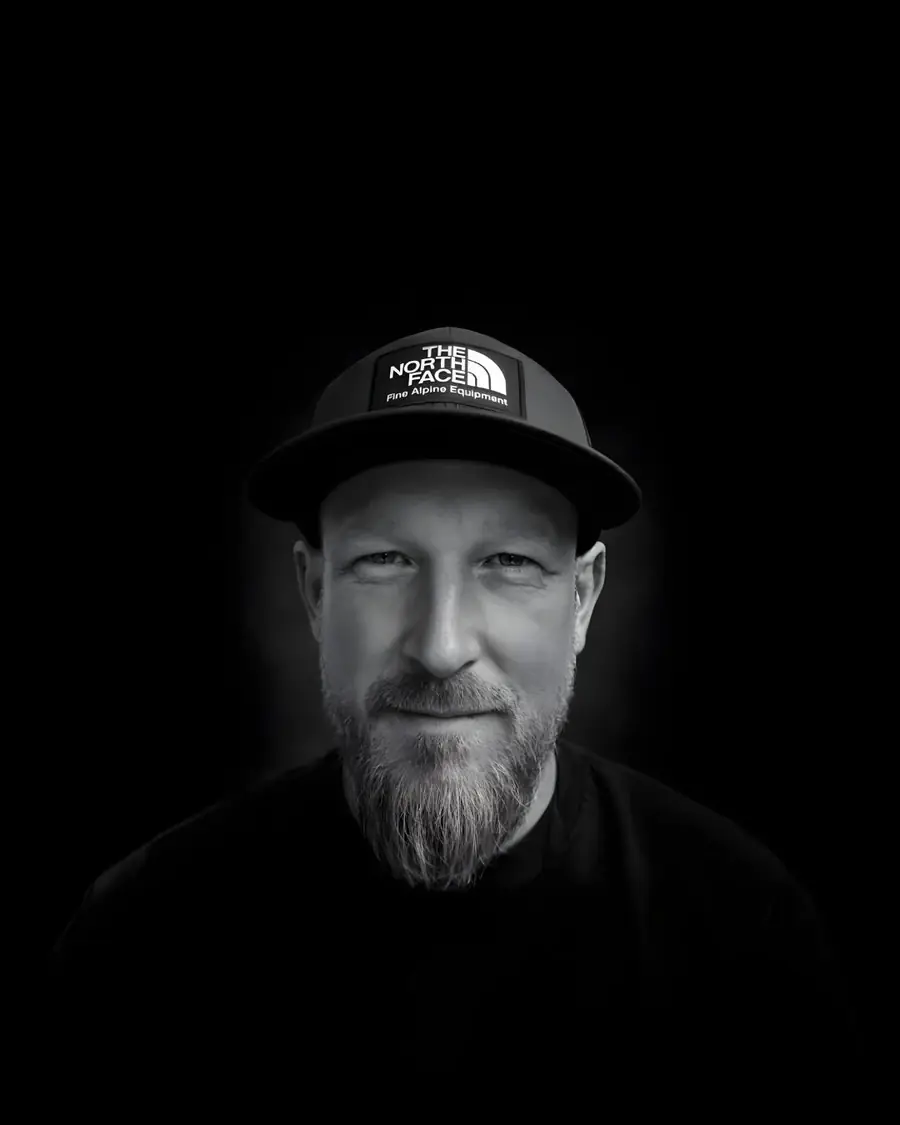
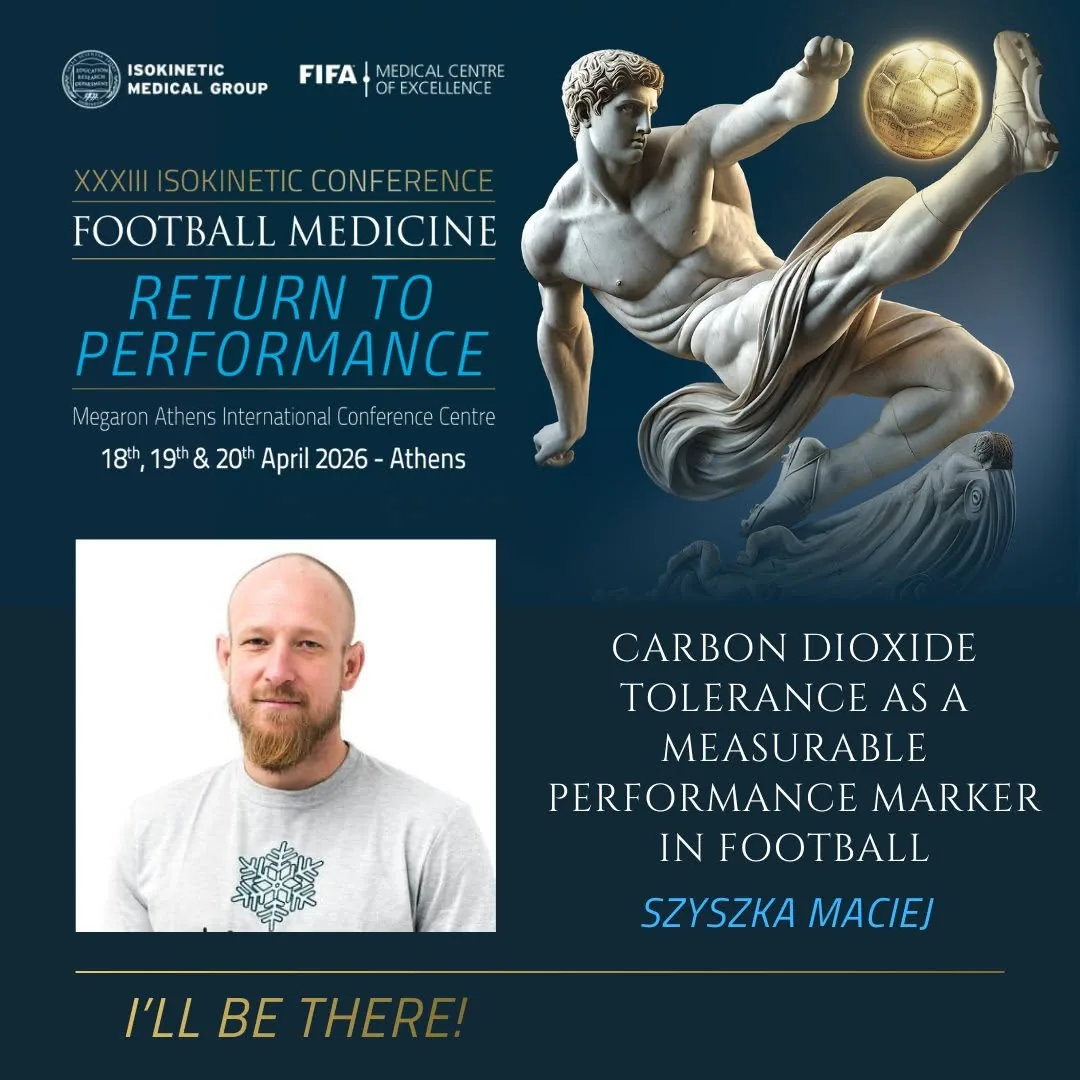
Maciej Szyszka
Respiratory Performance Specialist and creator of Air Flow Performance.
Maciej translates breathing physiology into practical protocols for movement, fatigue, recovery and competitive pressure. His background spans a physiotherapy degree, breathing and mental-performance coaching, personal training, combat sports, strength training and movement education.
After ten years of intensive Wing Tsun Kung Fu training, he was accepted as a private student of Sifu Kong Chi Keung and continued his development in Hong Kong.
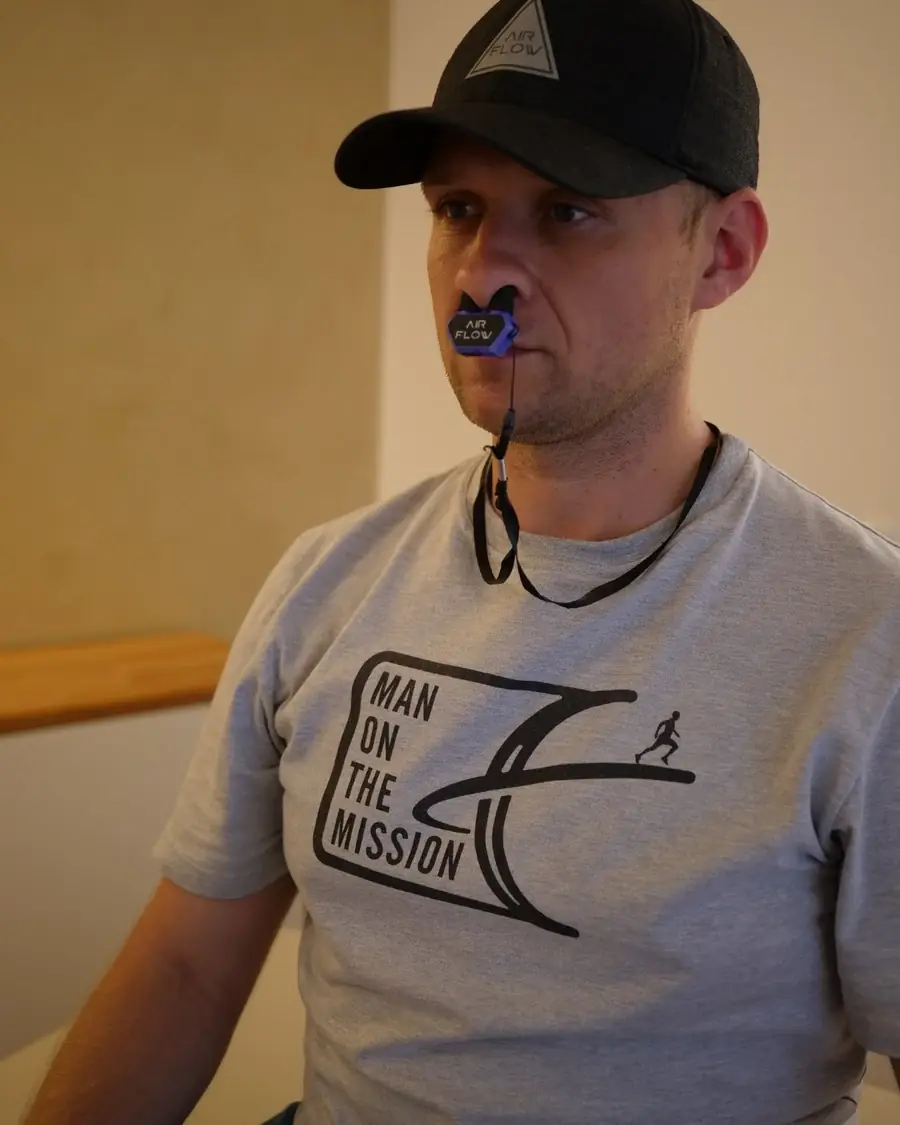
Krystian Chmielewski
Air Flow Ambassador Austria, breathing coach and certified sports massage therapist.
Krystian organises the event in Vienna, supports the practical training, and is available throughout the workshop day for German-speaking support.
Secure Your Spot in Vienna
One ticket covers the entire workshop day of theory and practice. Booking and payment are handled securely through the German-language WooCommerce checkout.
The main language of the training is English. Clear explanations, personal support and organisational assistance in German are available during the workshop.
Air Flow Performance Day Workshop
- Saturday, 10 October 2026
- 10:00–17:00
- Theory and selected practical exercises
- Practical training materials
- Water, coffee and snacks
- German-speaking explanations and personal support on site
Traum 14
Hauptstraße 29
1140 Vienna, Austria
Saturday, 10 October 2026:
10:00–17:00
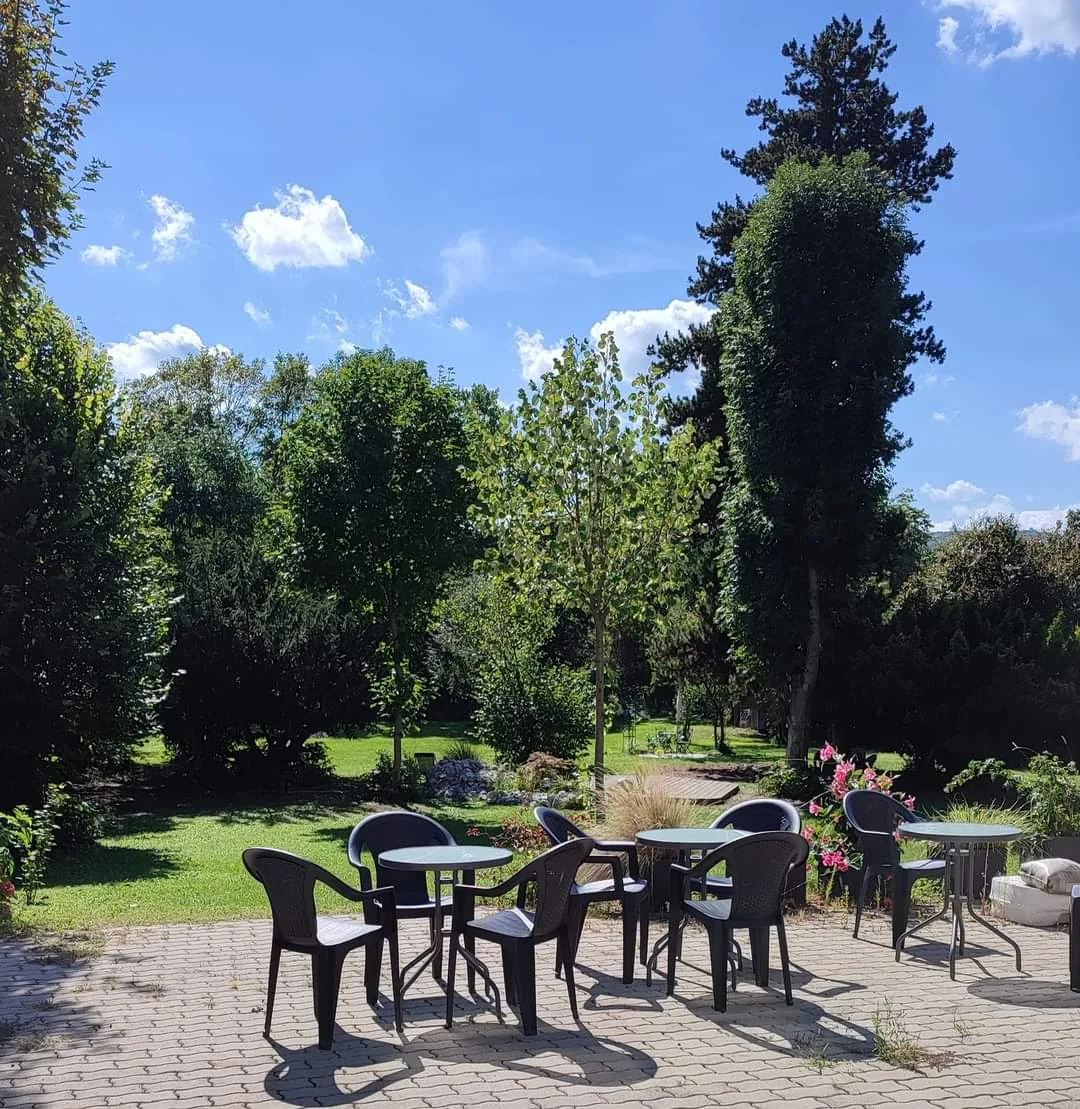
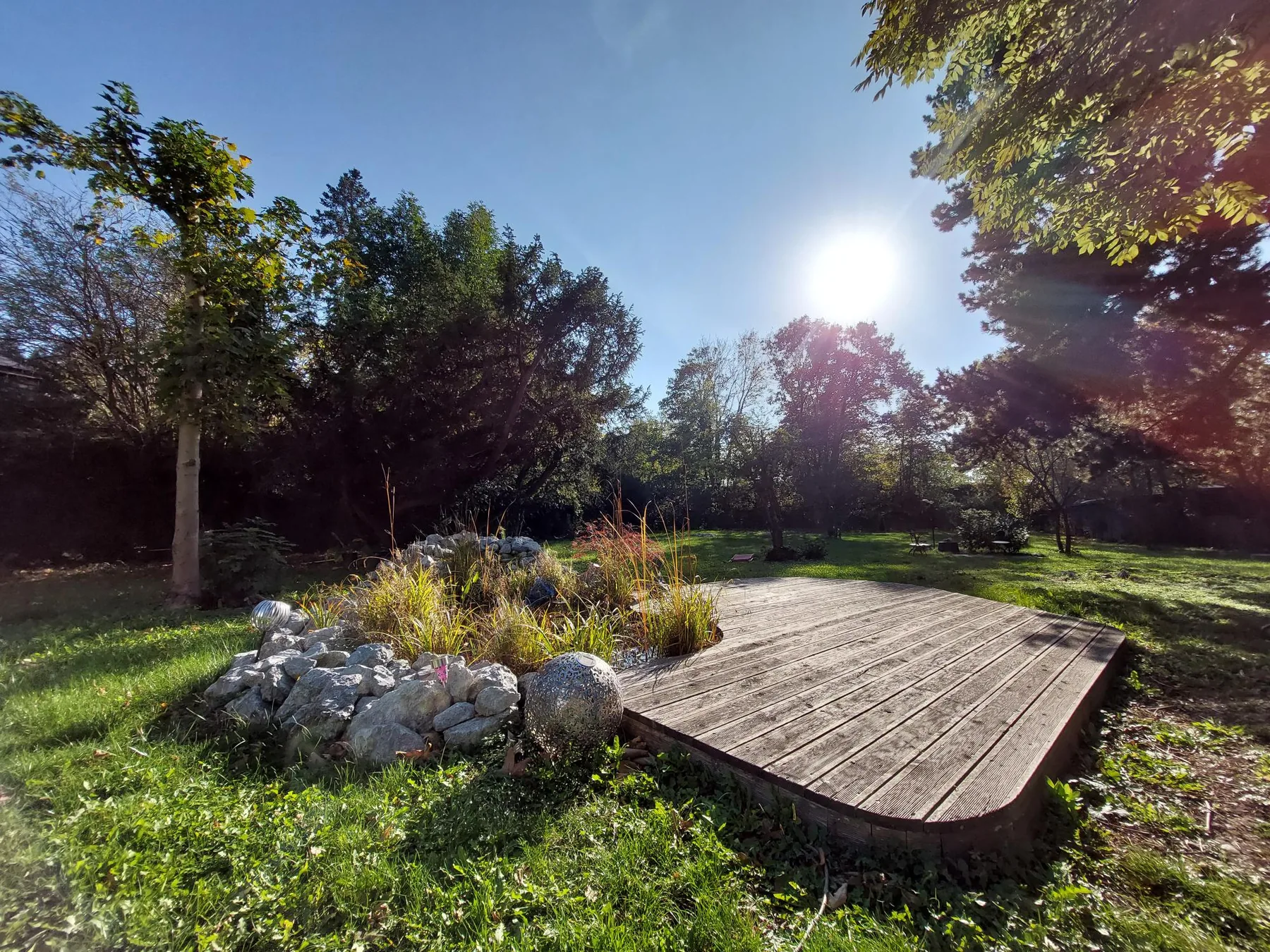
The bright, spacious room offers plenty of room for theory, partner work and practical exercises. In suitable weather, the quiet garden can also be used for breaks and selected exercise sequences.
Travel information and all final organisational details will be sent to registered participants ahead of the event.
Reserve your spot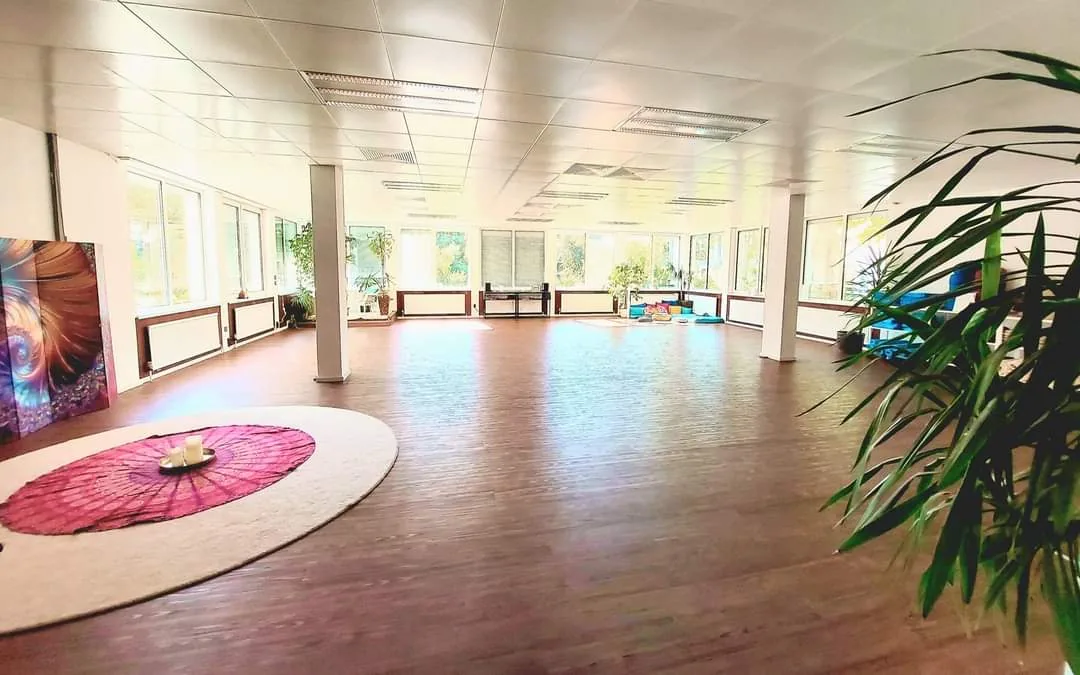
Frequently Asked Questions
What language is the training conducted in?
The main language of the training is English. German-speaking participation is nonetheless possible: clear explanations, personal support and organisational assistance in German are available throughout the workshop.
Is the booking process also in English?
This landing page is in English. The secure WooCommerce booking, the payment process and the automatic order confirmation are displayed in German. The training itself is conducted mainly in English.
Do I need prior experience with breathing training?
No. The training starts with the fundamentals and progressively builds up to movement, physical load and sport-specific application.
Is the event only suitable for professional athletes?
No. It is suitable for ambitious amateurs, professional athletes, coaches and performance professionals.
Is an AirFlow breathing trainer included in the price?
No. The devices may be demonstrated or used for selected exercises, but they are not included in the ticket price.
Are food and drinks included?
Water, coffee and snacks are included. Lunch is available for an additional charge.
Can I receive an invoice?
Yes. Invoice details can be entered during the German-language checkout.
How physically demanding is the training?
The event includes practical movement and breathing exercises, but it is not a fitness competition. The exercises can be adapted to each participant's current level.
What should I bring?
Please bring comfortable sportswear and a water bottle. Registered participants will receive further notes on equipment or preparation ahead of the event.
Your breathing is always part of your performance.
Learn to assess it, train it, and then apply it when intensity, fatigue and pressure rise.